
Firearms Safety: The Four Universal Rules
Every year, the National Shooting Sports Foundation reports that over 5 million new gun owners have entered the community since 2020. Safety isn’t just a suggestion; it’s the absolute bedrock of responsible ownership. These aren’t abstract concepts—they are physical actions you must perform every single time you handle a firearm, from a .22LR plinker to a 12-gauge shotgun.
1. Treat Every Firearm as if it is Loaded
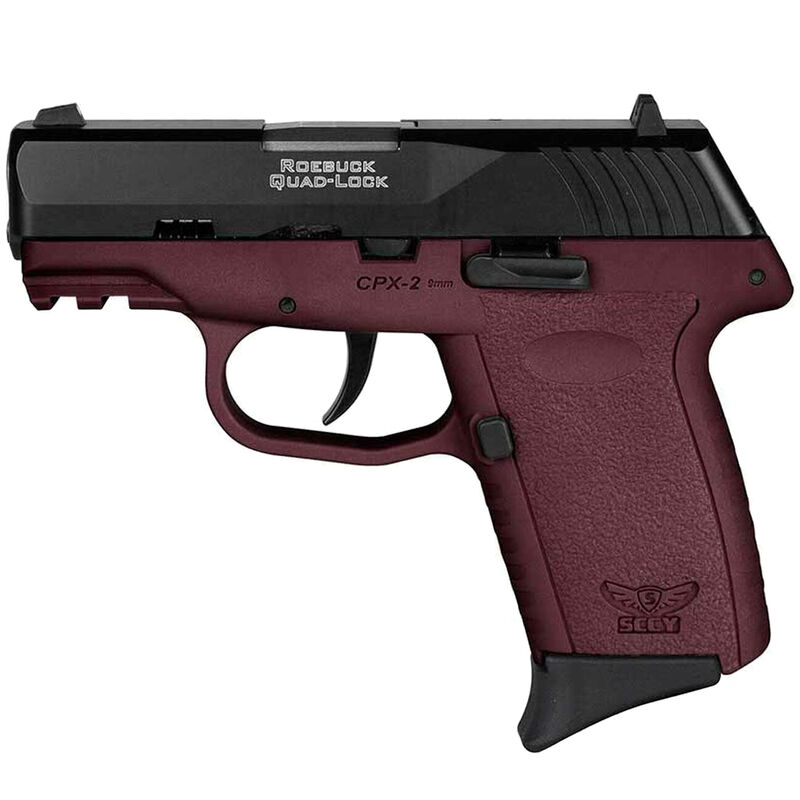
This is the first and most critical rule. The moment you assume a firearm is unloaded is the moment a negligent discharge happens. The action is simple: when you pick up any gun, immediately perform a visual and physical inspection of the chamber. On a semi-automatic pistol like a Glock 19, lock the slide to the rear and look and feel into the chamber. On an AR-15, lock the bolt back. For a revolver, swing the cylinder out. Do this even if you just watched someone else clear it. This habit must be ingrained. At Texas Gunstore, we practice this rule when handling every firearm, from the Semi-Automatic Handguns collection to the bolt-actions in our RIFLES collection, before we pass it to a customer. There are no exceptions.
2. Never Point the Muzzle at Anything You Are Not Willing to Destroy
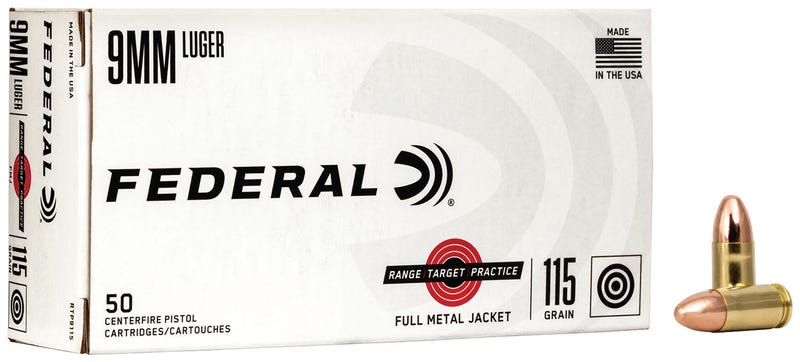
Muzzle discipline is about controlling the direction of potential energy. A 9mm 115-grain FMJ round travels at roughly 1,150 feet per second; you are responsible for its entire path. This means being conscious of your muzzle’s orientation at all times—during dry fire, cleaning, storage, and transport. When handing a firearm to someone, ensure it is cleared and then pass it with the action open and the muzzle pointed in a safe direction, typically downrange at a range or at the ground in a safe environment. This rule applies equally to air guns and training tools. A Full Auto CO2-Powered Air Rifle may fire BBs, but practicing safe muzzle discipline with it builds the muscle memory for handling centerfire firearms.

3. Keep Your Finger Off the Trigger Until Your Sights Are On Target
Your trigger finger is a dedicated safety. The natural resting place for your index finger is along the frame or receiver, above the trigger guard. This is called “indexing.” Modern striker-fired pistols like the Sig Sauer P365 or the Smith & Wesson M&P Shield have no external manual safety in the traditional sense; your finger is the primary safety. The trigger should only be engaged when you have made a conscious decision to fire at a specific, identified target with a safe backstop. This applies during drawing, moving, reloading, or clearing a malfunction. A common failure is letting the finger creep onto the trigger during the stress of a presentation—dry-fire practice is essential to correct this.
4. Be Sure of Your Target and What is Beyond It
A bullet does not stop at your target. This rule governs the environment in which you shoot. At a formal range, this means knowing the berm or backstop design. In the field, it means positively identifying your game and knowing there is a solid earth backstop for miles behind it. With modern ammunition, like the common Federal 9mm 115-grain FMJ, a round can penetrate multiple interior walls. Before you press the trigger, you must account for the maximum possible travel of the projectile if you miss or if it over-penetrates the target. This also means never firing at sounds, shapes, or flashes of movement.
5. Secure Storage: The Fifth Rule for Owners
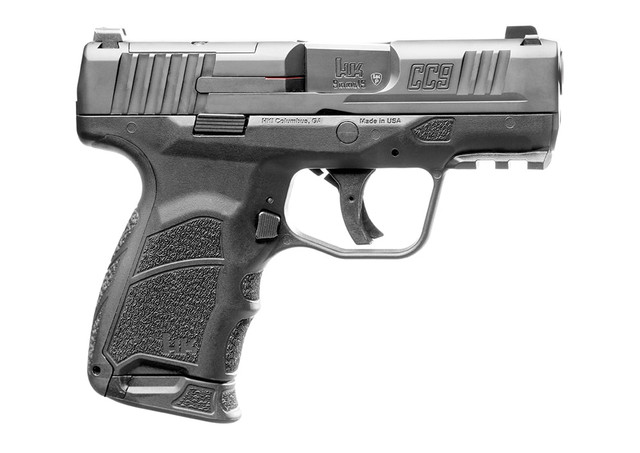
Safety extends to when the firearm is not in your direct control. An unsecured firearm is a liability. The standard is a quick-access safe or lockbox for home defense handguns like the HK CC9 Micro-Compact, and a sturdy locking cabinet or safe for long-term storage of collections. For transport, a locked hard case is non-negotiable. Simple cable locks, often provided with new firearms, prevent the action from closing on a chambered round and are a basic minimum. Remember, securing your firearms also means securing your magazines and ammunition separately. Using the correct magazine, like a factory Taurus 24/7 magazine, is part of operational safety, but storing it loaded in an unsecured drawer is not.
Frequently Asked Questions
What’s the single most important safety step when cleaning my gun?
Clear it twice. Before you even gather your cleaning rod and solvent, physically and visually confirm the firearm is unloaded in a separate room from where you store ammunition. Remove the magazine, lock the action open, and look and feel into the chamber. Then, do it again. Only then should you begin disassembly. This ritual prevents the all-too-common accident of cleaning a supposedly “empty” gun that still has a round in the chamber.
Do the safety rules apply to airsoft or BB guns?
Absolutely. Treating all projectile devices with the same rigor builds the disciplined habits that prevent accidents with firearms. A CO2-powered air rifle can cause serious injury. Using a Full Auto CO2-Powered Air Rifle to practice muzzle and trigger discipline in a safe backyard environment is excellent training, but only if you follow all four universal safety rules during its use.
As they hand it to you, verbally confirm “Is this clear?” or “Action open?” Even if they say yes, the moment it is in your control, you are responsible. Immediately point the muzzle in a safe direction, lock the action open yourself, and perform your own visual and physical chamber check. Do not take their word for it. This is standard protocol at Texas Gunstore and any reputable dealer or range.
Browse our firearms collection
Last updated: March 27, 2026
